
Explore the beautiful rituals and cultural significance of tea ceremonies from Japan to Morocco. Across cultures, tea is much more than a drink—it is a symbol of hospitality, respect, and connection. Tea ceremonies bring these values to life through intentional movements, shared etiquette, and a focus on presence. Looking at different traditions around the world reveals how one humble leaf can anchor rich cultural practices.
In Japan, the chanoyu (tea ceremony) centers on matcha and emphasizes harmony, respect, purity, and tranquility. Every gesture—from how the bowl is turned to how guests are seated—has meaning, creating a meditative experience that honors both host and guest. In China, gongfu tea preparation focuses on extracting the best from oolong or other fine teas through multiple small infusions, using tiny teapots and cups to highlight aroma and evolving flavor.
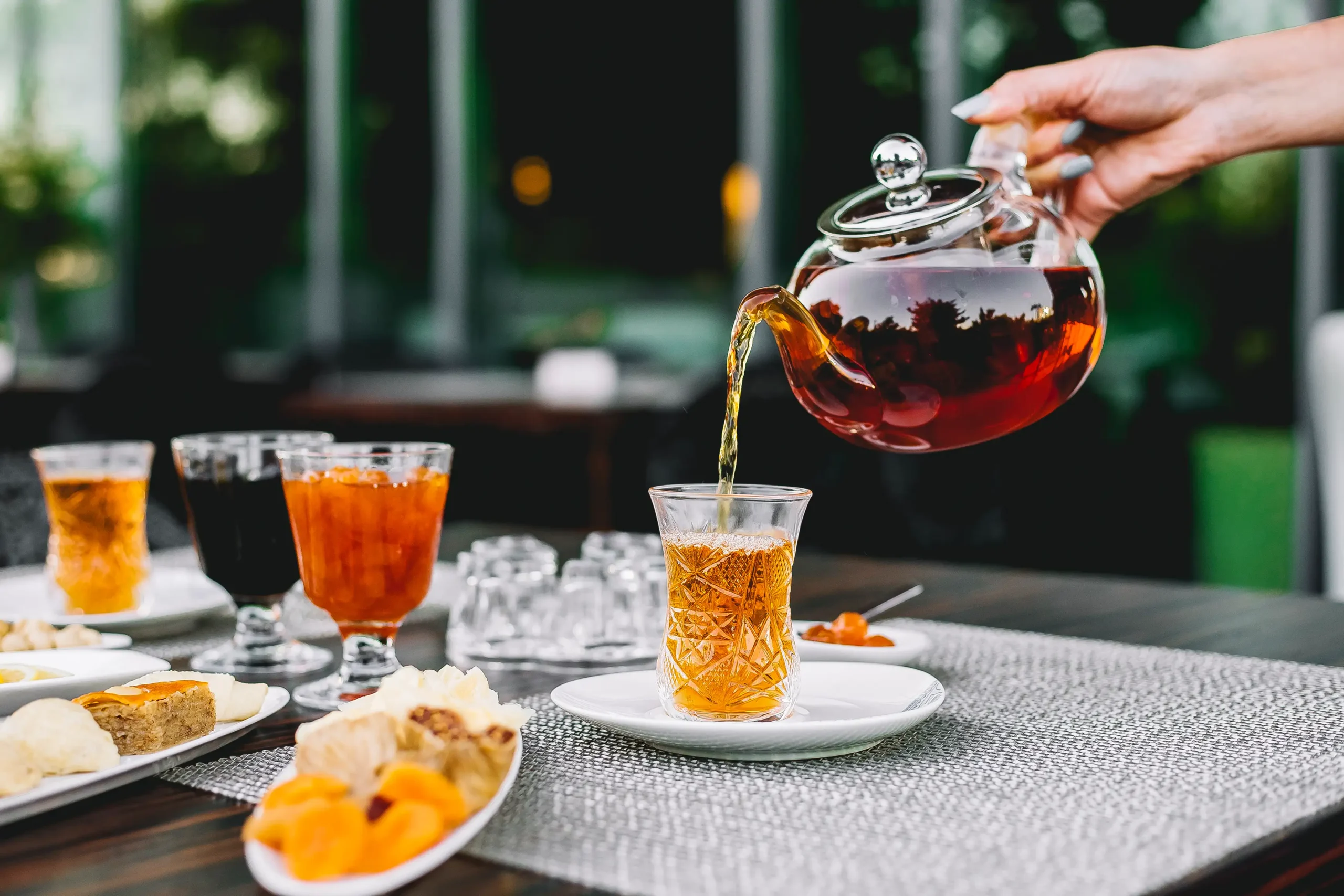
Moroccan tea service is another beautiful example, featuring green tea infused with fresh mint and often sweetened generously. The host pours from a height to create a light froth, and sharing several glasses is a sign of welcome and friendship. In many other regions—from Britain’s structured afternoon tea to everyday family tea times in South Asia—tea rituals continue to evolve while preserving a sense of togetherness. No matter the country, the core idea is the same: tea is a way to slow down, connect, and honor the moment shared with others.